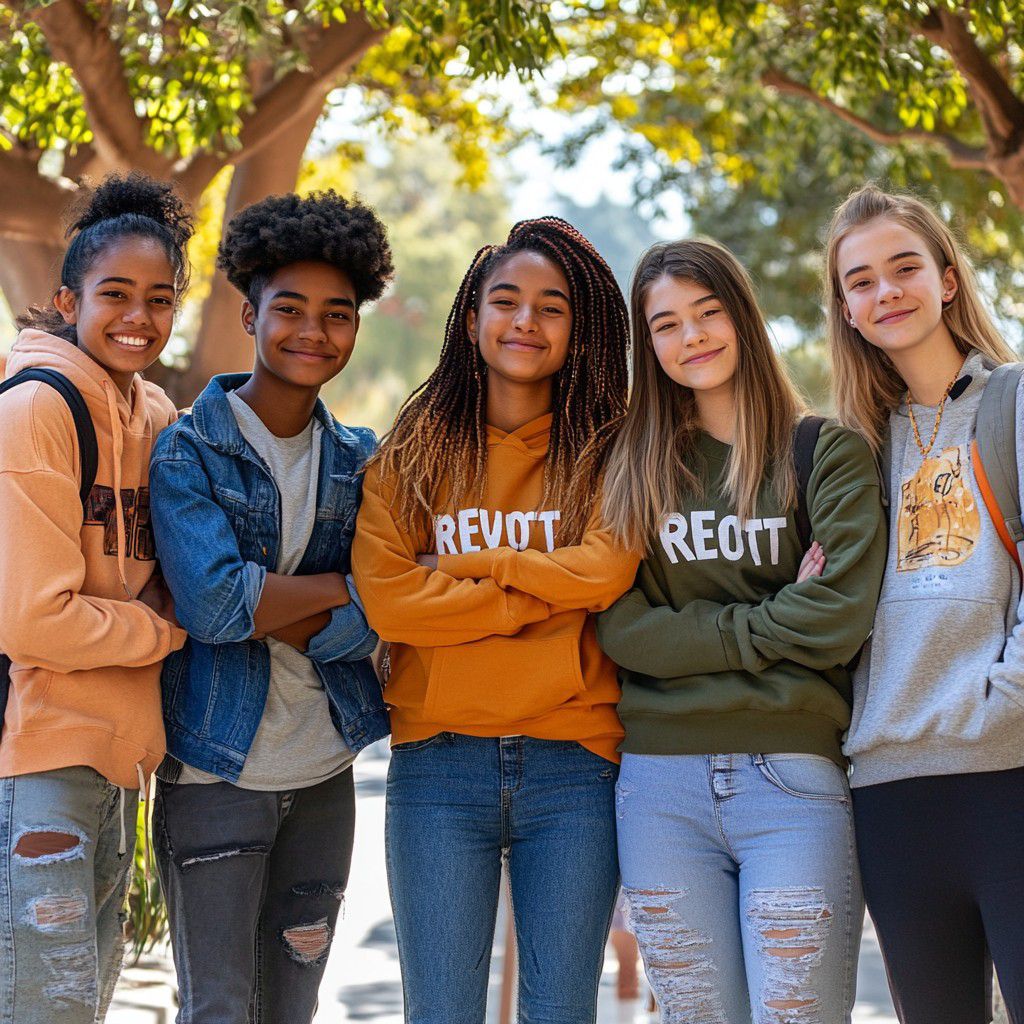
In our part of the world, a little teapot-shaped country in Sub Saharan Africa, we’ve been gripped by high school results fever. Advanced Level exam results are out, with Ordinary Level results following shortly.
For those that aren’t familiar with O’ and A’ Level, these are our final high school exams – O’ Level is 4 years of high school, which ends with examinations in a wide assortment of subjects, usually totaling 8 to 10 subjects.
After O’Level, students may proceed to vocational training in colleges, or return to high school for Advanced Level, which takes an additional 2 years, and involves specialisation in 3 to 4 related subjects, depending on future career goals. I’m sure you get idea, but back to our high school graduates:

For some of you, this season brings tremendous celebration – university applications, prestigious scholarships, and exciting beginnings. For others, it brings disappointment, confusion, or even shame.
If you’ve just completed Ordinary Level, Advanced Level, or Matric, and your results didn’t turn out the way you hoped, let me say this clearly and gently: well done for showing up – showing for your classes, for exams, for your extracurricular activities, and for your results. Each one was a step forward.
Effort matters, not just results. You matter. Regardless of how you might be feeling in this very moment, your life isn’t over. Your future isn’t cancelled. And your worth isn’t defined by exam results. This is not an ending. It’s a transition point.

In many Sub-Saharan African countries, final exam results determine whether a young person:
• Goes to college or university
• Enters an apprenticeship
• Pursues vocational or technical training
• Or is advised to repeat the final year of high school – an approach I often discourage among my clients.
This is where I want to pause and speak from the heart, not just as a parent, big sister, or auntie, but as an experienced career strategist.
Repeating a year is often presented as the “safe” option. However, for many young people, it can:
• Damage confidence and self-esteem
• Create unnecessary emotional pressure
• Delay exposure to practical, employable skills
• Keep students stuck in an academic system that may not suit them.
Let me make this clear: contrary to popular belief, academic ability is not the same as intelligence.
Not everyone is designed to thrive in an exam-heavy environment. Some may instead excel with creativity, problem-solving, technology, or entrepreneurship.

This is why I strongly encourage families to consider vocational and skills-based pathways, not as a “last option,” but as a strategic and dignified choice, even right after O’ Level.
Whether you’re going to university, college, a training centre, or learning a trade, the following skills matter more than marks on a certificate.
1. A Practical, Income-Generating Skill
Every young person should ask: “What can I do that someone would pay me for?” This could be:
• Electrical work, plumbing, carpentry, welding
• Hairdressing, beauty therapy, tailoring
• Digital skills (design, social media, virtual assistance)
• Agriculture, food processing, mechanics, IT support
• Skills equal independence. Skills equal options.
2. Financial Literacy
Too many adults earn money but don’t know how to manage it. By 25, every young person should understand:
• How to budget
• How to save
• How to avoid unnecessary debt
• How to price their services or skills
This knowledge protects you—no matter what career you choose.,

3. Communication Skills
You don’t need perfect English or a foreign accent. You do need to know how to:
• Express your ideas clearly
• Speak respectfully with clients, employers, and elders
• Write simple messages, emails, or proposals
• Ask questions without fear
Trust me, confidence in communication opens doors faster than certificates. That’s the key to commanding attention for the right reasons in job or scholarship interviews.
4. Adaptability and Willingness to Learn
The world of work is changing fast—especially in Africa.
Many of the jobs you will do in your lifetime don’t even exist yet. The young people who succeed are those who are willing to learn new skills, can shift direction without panic, and don’t see starting small as failure.
5. Self-Belief and Resilience
This one is invisible—but powerful.
Life will disappoint you at some point:
Missed opportunities
Rejected applications
Failed plans
Resilience means learning to say:
“This didn’t work—but I’m not done.”

A Message to Parents and Guardians:
If your child did not get the results you hoped for, please hear this:
They still need your belief more than your disappointment. Vocational training is not punishment. Apprenticeships are not degrading. Skills-based education is not failure or an indication of low intellectual ability.
Some of the most successful people in our communities are:
• Builders
• Technicians
• Traders
• Entrepreneurs
• Skilled artisans
Let’s raise young people who are capable, not just certified.
And to every young person reading this:
Your path may look different from your friends’. It may not impress everyone immediately and may require patience and courage. But a different path is not a wrong path.
Learn a skill. Build confidence. Keep growing. Your future is still very much alive.
Your Career Strategist
Belle the Creative
 Belle the Creative
Leave a comment